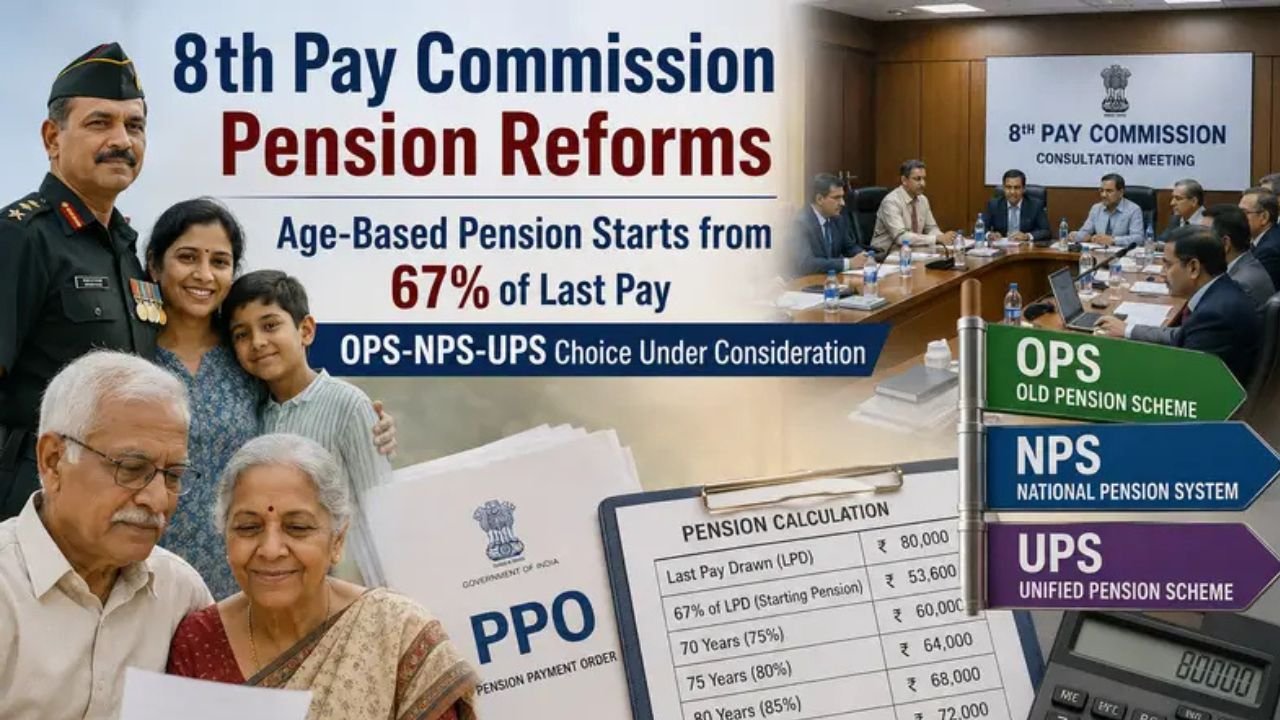
Pension Schemes 2026 : The year 2026 is bringing several important changes to pension and social security schemes in India. Rising prices and increasing healthcare costs have made financial support more important for elderly citizens, widows, and persons with disabilities. To help these groups, both the central and state governments are improving pension programs. The main goal is to make benefits easier to receive and ensure that financial assistance reaches people on time through digital systems.
Atal Pension Yojana Continues to Grow
The Atal Pension Yojana (APY) remains one of the most popular pension schemes for workers in the unorganized sector. Millions of people have already joined this scheme to secure their future income after retirement. Currently, APY offers a guaranteed monthly pension between ₹1,000 and ₹5,000. Due to inflation, many experts and citizens are requesting an increase in the maximum pension amount to ₹10,000 per month. The government is studying this proposal carefully. The scheme has also been extended until 2030-31, allowing more people to enroll.
NPS Becomes More Digital and Convenient
The National Pension System (NPS) has seen rapid growth, with assets under management reaching nearly ₹15.95 lakh crore. In 2026, the system has become more user-friendly through digital upgrades. Pension claims, withdrawals, and account updates can now be completed online. Aadhaar-based verification helps reduce paperwork and speeds up processing. As a result, beneficiaries receive their pension payments directly in their bank accounts without visiting government offices repeatedly.
States Are Increasing Social Security Pensions
Several state governments have increased pension benefits for senior citizens, widows, and disabled individuals. Delhi has taken steps to strengthen social security by increasing support for eligible beneficiaries. Discussions are also taking place in Uttar Pradesh regarding higher disability pension payments. In Madhya Pradesh, the Samagra Portal helps eligible elderly citizens and severely disabled individuals receive monthly assistance and faster approval of applications. These changes aim to improve the quality of life for vulnerable citizens.
Pension Schemes at a Glance
| Feature | Details |
|---|---|
| Scheme Name | Atal Pension Yojana (APY) |
| Target Group | Unorganized sector workers |
| Current Monthly Pension | ₹1,000 to ₹5,000 |
| Proposed Future Pension | Up to ₹10,000 (under discussion) |
| APY Extension Period | Up to 2030-31 |
| NPS Assets Under Management | Around ₹15.95 lakh crore |
| NPS Process | Mostly paperless and digital |
| Verification Method | Aadhaar-based verification |
| Main Beneficiaries | Senior citizens, widows, and persons with disabilities |
| Payment Method | Direct Bank Transfer (DBT) |
| Key Focus for 2026 | Better support for citizens aged 70+ |
Eligibility, Documents, and Helpful Tips
To receive benefits under most social security pension schemes, applicants must meet certain requirements. They should be residents of India or their respective state, fall within the income limits, and generally should not be income-tax payers. Common documents include Aadhaar Card, income certificate, age proof, bank account details, mobile number linked to Aadhaar, and disability or widow certificate if applicable.
Helpful Tips for Applicants
- Keep your Aadhaar and mobile number linked and updated.
- Make sure bank account details are correct.
- Apply only through official government portals.
- Upload clear copies of all required documents.
- Check application status regularly online.
- Inform authorities if your personal details change.
Frequently Asked Questions (FAQs)
1. What is the main purpose of pension schemes?
Pension schemes provide financial support to people after retirement or to vulnerable groups such as widows and disabled citizens.
2. Who can join Atal Pension Yojana?
Indian citizens working in the unorganized sector who meet the eligibility conditions can join APY.
3. What is the current pension amount under APY?
The scheme currently offers a monthly pension between ₹1,000 and ₹5,000.
4. How are pension payments received?
Most pensions are transferred directly into the beneficiary’s bank account through DBT.
5. What documents are usually required?
Aadhaar Card, income proof, age proof, bank account details, and other relevant certificates.
6. Why are digital systems being used in pension schemes?
Digital systems reduce paperwork, speed up approvals, improve transparency, and help beneficiaries receive payments faster.
Conclusion
Pension reforms in 2026 focus on making financial support more accessible, transparent, and efficient. Through digital services, improved pension benefits, and expanded social security programs, the government aims to provide better protection for senior citizens, widows, and persons with disabilities. Anyone who qualifies should check their state’s official portal and apply to take advantage of these benefits.